
Request a demo

Remote Work 101: Tips for Maintaining Employee Engagement

Remote Work 101: Tips for Maintaining Employee Engagement

Remote work isn't a new concept. Nearly 13% of full-time employees work from home, which is expected to climb in the future. Working from home has advantages: it offers increased flexibility, reduces commute stress, and provides a better work-life balance. However, challenges like feelings of isolation, communication issues, and difficulties in team building can lead to decreased engagement.   

The Do's and Don'ts of Achieving Team Alignment

The Do's and Don'ts of Achieving Team Alignment

Simply put, team alignment is when everyone’s on the same page. You’re working together, with a common understanding of what you’re working towards and how you’re contributing to the larger vision of your organization. 

How to Prevent Employee Burnout

How to Prevent Employee Burnout

Burnout—it’s a term that can apply to almost anything in our lives. It’s best described as a state of emotional, mental, and sometimes physical exhaustion caused by prolonged and repeated stress.  

Benefits for Millennials: Must-Haves for Your Corporate Wellness Program

Benefits for Millennials: Must-Haves for Your Corporate Wellness Program

Millennials currently make up over one third of the U.S. workforce, which means their opinions about employer benefits matter—a lot. Millennials are a diverse group, though, so it's important to offer a range of both lifestyle, wellness, and workplace benefits that cater to various needs and preferences. 

A Guide to Effective Corporate Learning and Development Programs

A Guide to Effective Corporate Learning and Development Programs

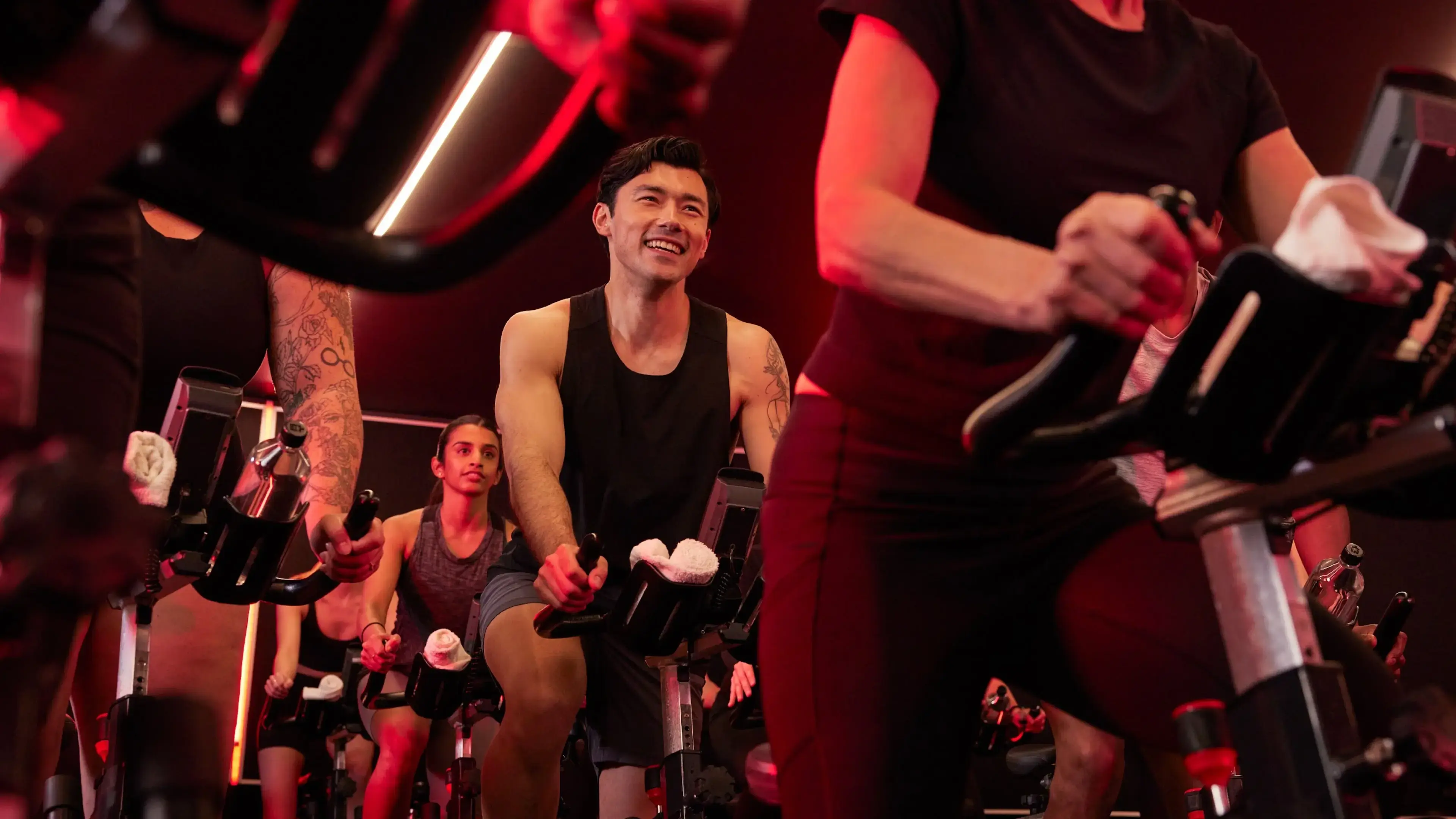
It's no secret that access to workout facilities or employee fitness and wellness programs can increase overall wellness in the workplace. These benefits, alongside other resources, such as financial wellness and volunteer initiatives, are often at the core of most corporate wellness programs. While a physically healthy workforce is healthy for the business, there's also a significant aspect of wellness — job satisfaction — that can only be achieved through the employee's actual job experience.  

Workplace Wellness Challenges: 26 Employee Wellness Challenge Ideas and How to Organize Them

Workplace Wellness Challenges: 26 Employee Wellness Challenge Ideas and How to Organize Them

Keeping employees engaged in their wellbeing is not as simple as offering a stipend or sending a reminder email. Participation drops off, enthusiasm fades, and even well-intentioned initiatives can struggle to gain traction without the right structure.

How Employers Can Support Employee Mental Wellness

How Employers Can Support Employee Mental Wellness

More than one third of Americans experience symptoms of depression and anxiety — and the impacts are widespread, including one’s ability to be productive. The financial implication of this is significant. The World Health Organization (WHO) claims that $1 trillion (about $3,100 per person in the US) is lost each year due to mental health-related unproductivity.  

Strategies to Create Non-Traditional and Personalized Employee Benefits

Strategies to Create Non-Traditional and Personalized Employee Benefits

Every company offers “benefits.” It’s what those benefits are that determine how beneficial they really are to an employee.  

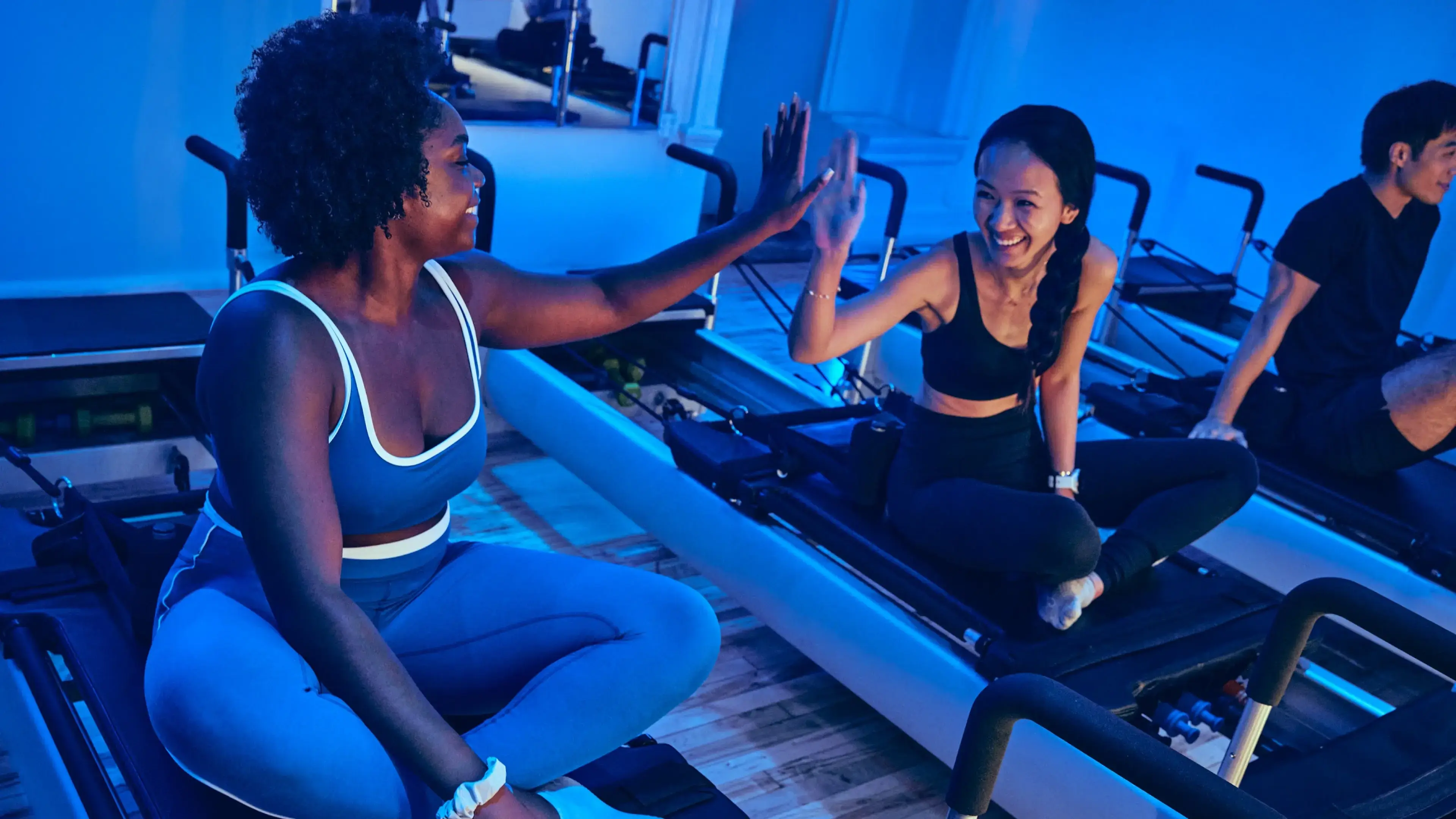
How Working Out Helps You Meet Your Career Goals

How Working Out Helps You Meet Your Career Goals

We’re all familiar with the oft-touted benefits of working out: improved heart health, mental clarity, weight maintenance, strength, endurance, agility, smooth digestion, better sleep…

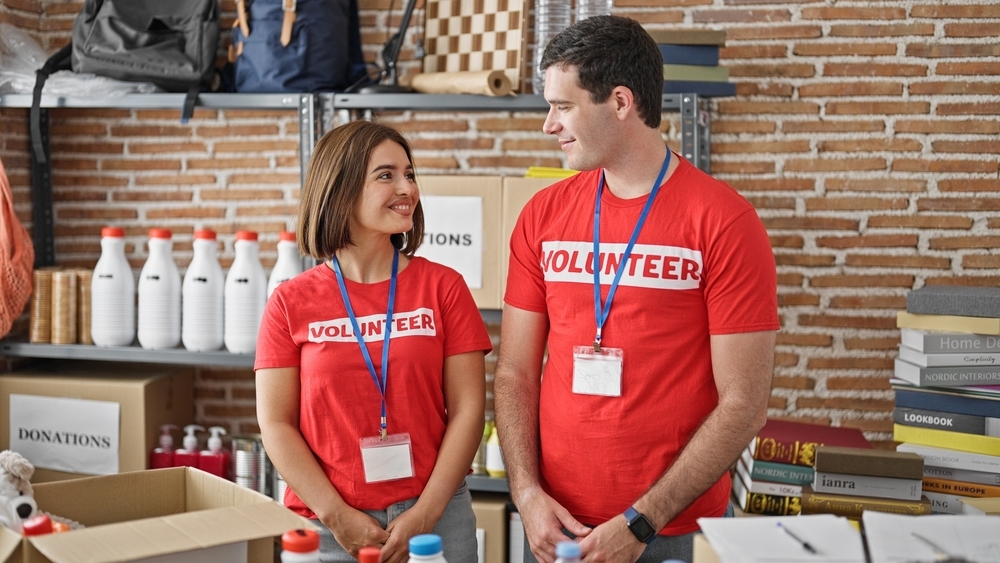
How to Create a Top-Notch Employee Volunteer Program

How to Create a Top-Notch Employee Volunteer Program

Beyond traditional gym memberships and health benefits, Employee Volunteering Programs (or EVPs) are a powerful way for organizations to develop a culture of social responsibility, employee engagement, and community impact. These programs not only contribute to meaningful social change but also boost camaraderie among teams and provide employees with opportunities to give back to the communities where they live and work.